Bank of England Raises Rate to 4%, First Hike in Over Three Years
The Bank of England raised Bank Rate 0.25 points to 4% in an 8-1 vote, citing energy-driven inflation after the Middle East conflict.
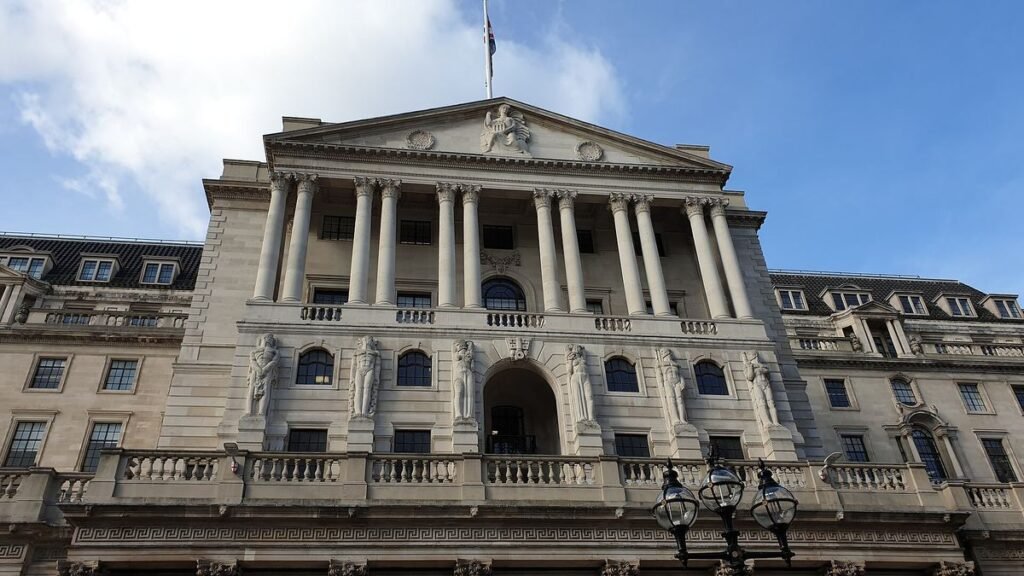
The Bank of England’s Monetary Policy Committee raised Bank Rate by 0.25 percentage points to 4% at its meeting ending Nov. 4, the first increase in more than three years, according to the bank’s Monetary Policy Summary published Thursday.
Eight members voted for the quarter-point rise. Catherine L. Mann voted instead to raise Bank Rate by 0.5 percentage points, to 4.25%. The bank said UK CPI inflation rose to 3.5% in September and is now expected to reach around 5% by the middle of next year before easing as energy base effects fade and restrictive policy weighs on prices.
Why the committee acted
The summary said the Middle East conflict is in its ninth month and that global energy prices have kept rising from already elevated levels. Direct energy effects accounted for about 1 percentage point of the September inflation reading, mostly from fuels, the bank said. It judged that pipeline inflationary pressure was now sufficient to warrant a higher Bank Rate, even though evidence of knock-on effects on other prices and wages remained limited.
Activity data in recent months have generally been stronger than expected, adding to the case for modestly tighter policy, the committee said. Monetary policy is not on a pre-set path; members said they will keep assessing pay, pricing behaviour and spare capacity at each meeting.
Markets and the next decision
BBC News reported the move takes Bank Rate from 3.75% to 4%, matching the increase most economists had expected. Higher rates can raise payments for borrowers on tracker mortgages while lifting returns offered to savers, BBC News said.
The minutes of the meeting ending Dec. 16 are due to be published on Dec. 17, 2026, the Bank of England said.
Sources: Bank of England, BBC News
Get the BURN VOC Briefing
Top US news in your inbox. Free.
This story is published by BURN VOC under its newsroom byline and follows our editorial standards. Sources are named in the story. To report an error, email news@burnvoc.com. Editorial Standards · Corrections · About BURN VOC