Massachusetts Voters Reject Repeal, Keep Recreational Marijuana Legal
Question 8 would have made Massachusetts the first state to undo legal cannabis sales. It lost by a wide margin.
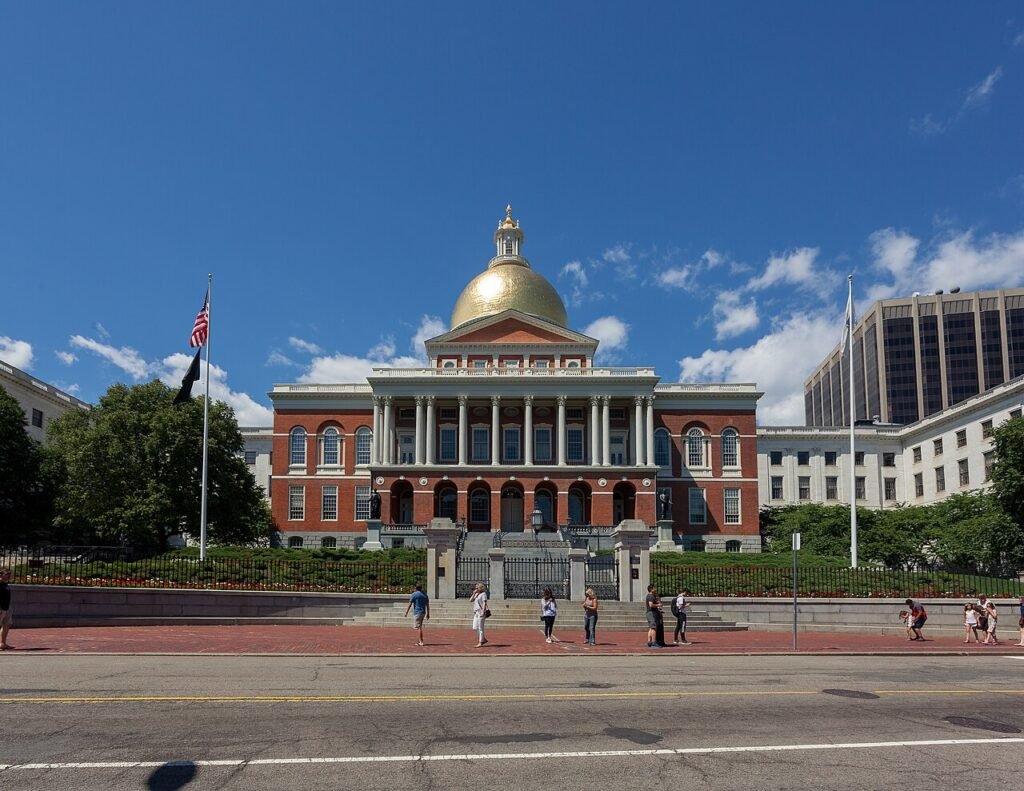
Massachusetts voters on Tuesday rejected a ballot measure that would have ended legal recreational marijuana sales in the state, according to WBUR, Reason and the cannabis trade publication MJBizDaily.
The measure, Question 8, lost by a wide margin. Partial results showed roughly three in four voters opposed it. Medical marijuana was not affected by the question and remains legal.
A first that did not happen
Had the measure passed, Massachusetts would have become the first state to reverse its legalization of recreational cannabis, WBUR reported. Instead, voters continued a long pattern of loosening marijuana laws at the ballot box. The state decriminalized small amounts of marijuana in 2008, legalized medical use in 2012 and approved adult recreational sales in 2016.
The campaigns
Supporters of repeal pointed to research on the mental health risks of marijuana, particularly highly concentrated THC products, and especially for young people.
Opponents, backed by the cannabis industry and the Retailers Association of Massachusetts, argued that a ban would put thousands of jobs at risk and cost state and local governments hundreds of millions of dollars in tax revenue. They also said it would push buyers to neighboring states or to unregulated sellers.
What stays the same
Because the repeal failed, licensed dispensaries across the state can keep operating under existing rules set by the state’s Cannabis Control Commission. Adults 21 and older can continue to buy and possess marijuana within the limits set by law, and cities and towns keep their ability to regulate or restrict local stores.
The result also preserves the tax revenue that the state and host communities collect on retail sales, money that supporters of legal cannabis said would have vanished under a ban.
The national picture
The vote was one of 145 statewide ballot questions decided across more than three dozen states on Tuesday, according to the Associated Press. The Massachusetts result is likely to be watched by lawmakers in other states weighing new limits on potency and marketing rather than outright bans.
Sources: Associated Press, WBUR.
Get the BURN VOC Briefing
Top US news in your inbox. Free.

This story is published by BURN VOC under its newsroom byline and follows our editorial standards. Sources are named in the story. To report an error, email news@burnvoc.com. Editorial Standards · Corrections · About BURN VOC